Tristan Da Cunha is a remote group of British islands in the South Atlantic. Only Tristan Da Cunha is inhabited, with 237 people living there. Basically it is a volcano which last erupted in 1961, when the inhabitants had to be evacuated to one of the nearby uninhabited islands. Other islands in the group include Inaccessible Island, Nightingale Island and Gough Island – all important bird sanctuaries.
This area is also known for it’s stormy weather – strong winds, rough seas mean that landing on Tristan is not guaranteed. We were lucky as Day 1 it was fine weather but a high sea swell meant it was too difficult to land, so we headed off to take a look at Inaccessible Island and Nightingale Island. The sea around these islands was a mass of birds – petrels, prions, shearwaters and albatrosses all busy looking for food. Although it is possible to land on these islands, the high swell would have made this unsafe.
The weather forecast for Tristan Da Cunha the following day was promising with the winds coming from the opposite direction – this gave more shelter for landing. Apparently our ship was the first cruise ship to land passengers since Covid lockdown. Once on the island we joined other passengers in search of two endemic birds – a thrush and a moorhen. The Thrush wasn’t seen and I didn’t see the Moorhen.
After visiting Tristan, we missed out Gough Island and it took our ship 3 days to reach Cape Town.
Enjoy the following photos of the Tristan group. Try to find these islands on a map of the world – good luck. Don’t forget to leave a comment.
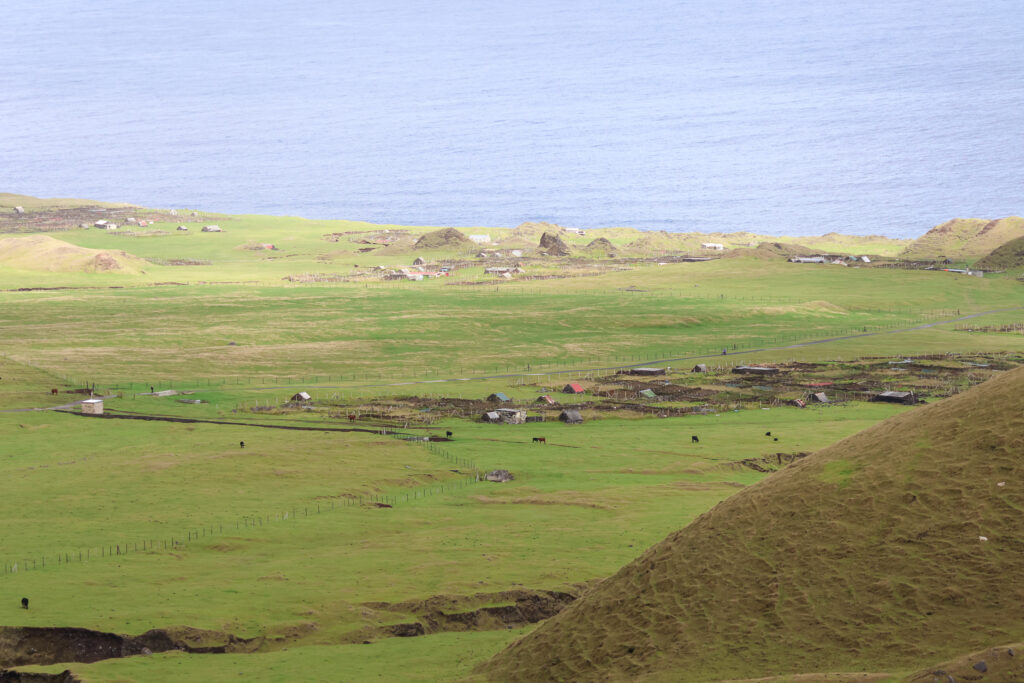
Tristan Da Cunha
copyright © Judith Helsby 2026
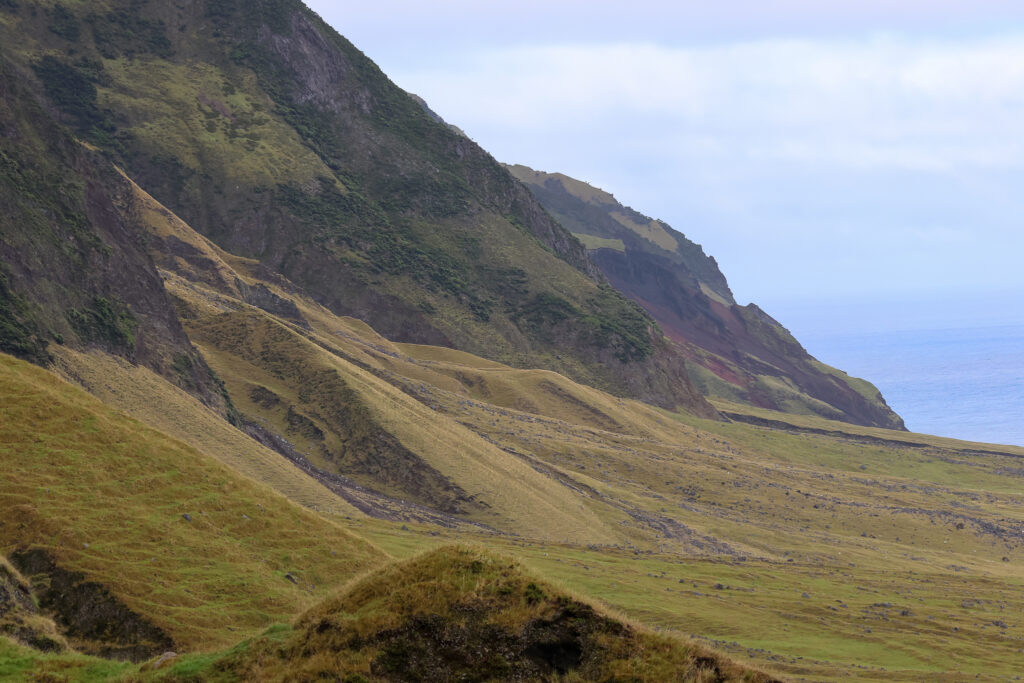
Tristan Da Cunha
copyright © Judith Helsby 2026
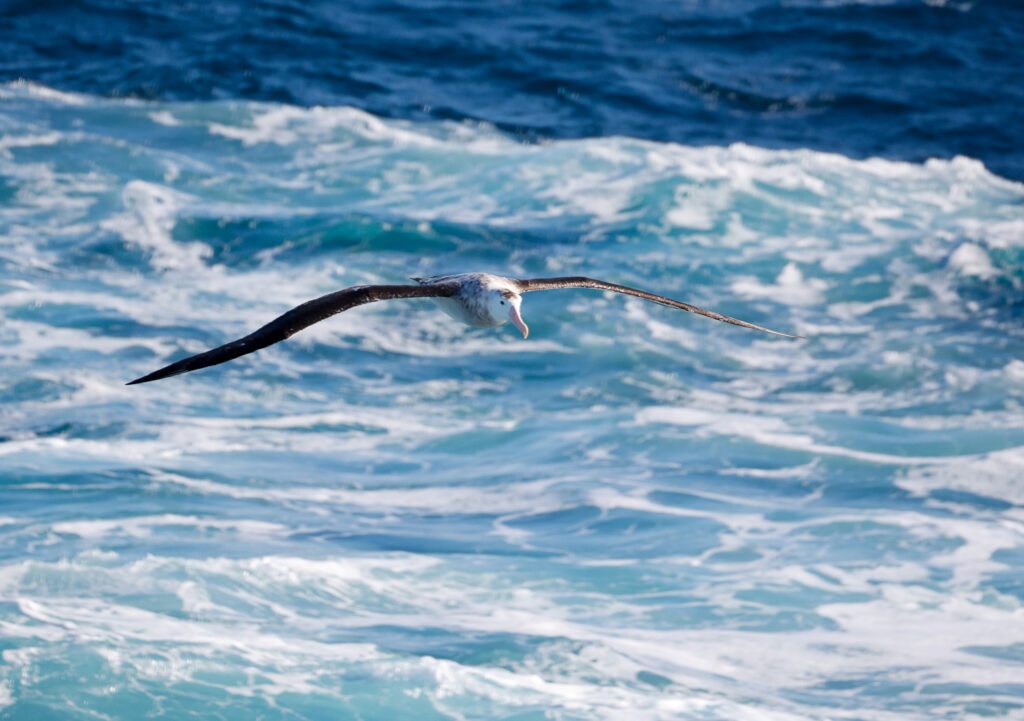
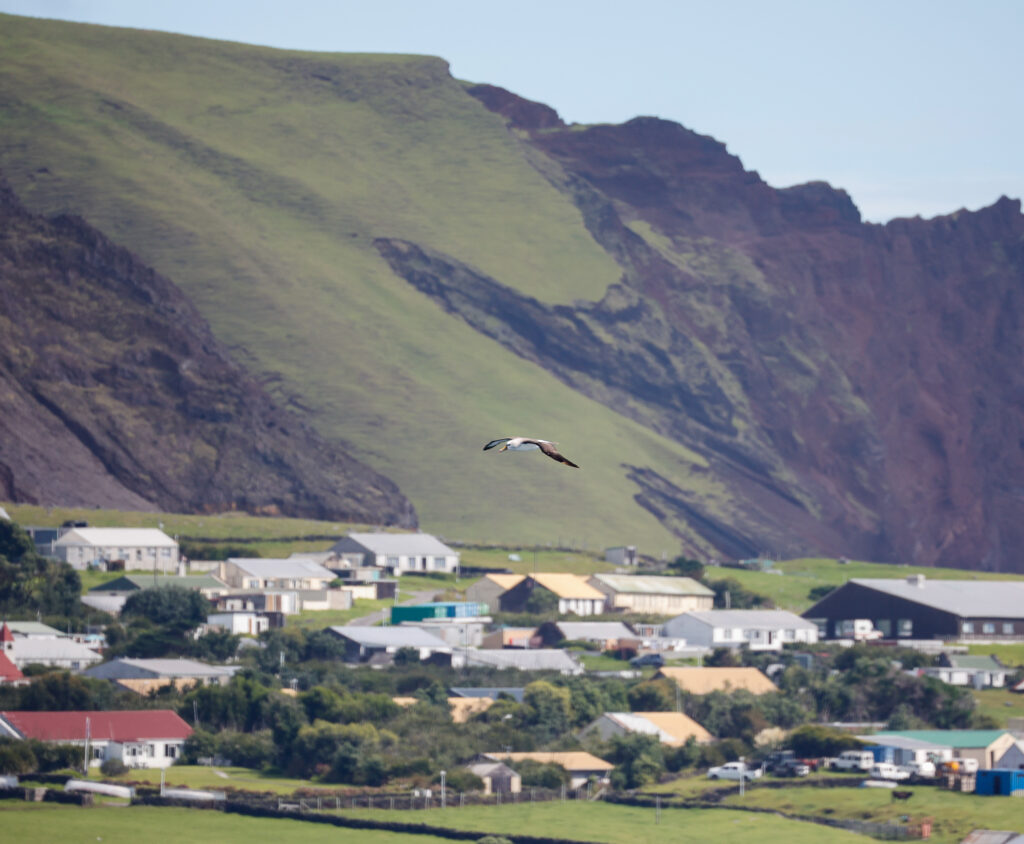
Tristan Wandering Albatross
copyright © Judith Helsby 2026
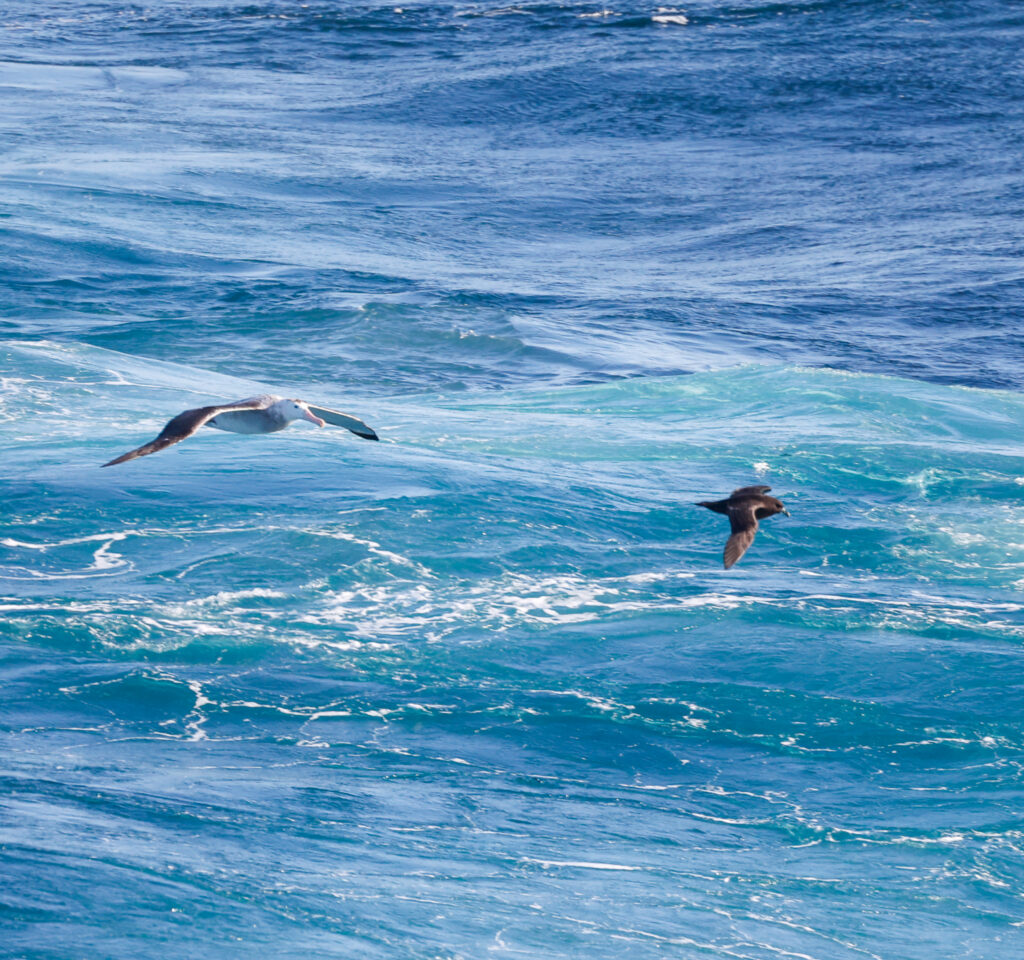
Tristan Wandering Albatross with White Chinned Petrel
copyright © Judith Helsby 2026
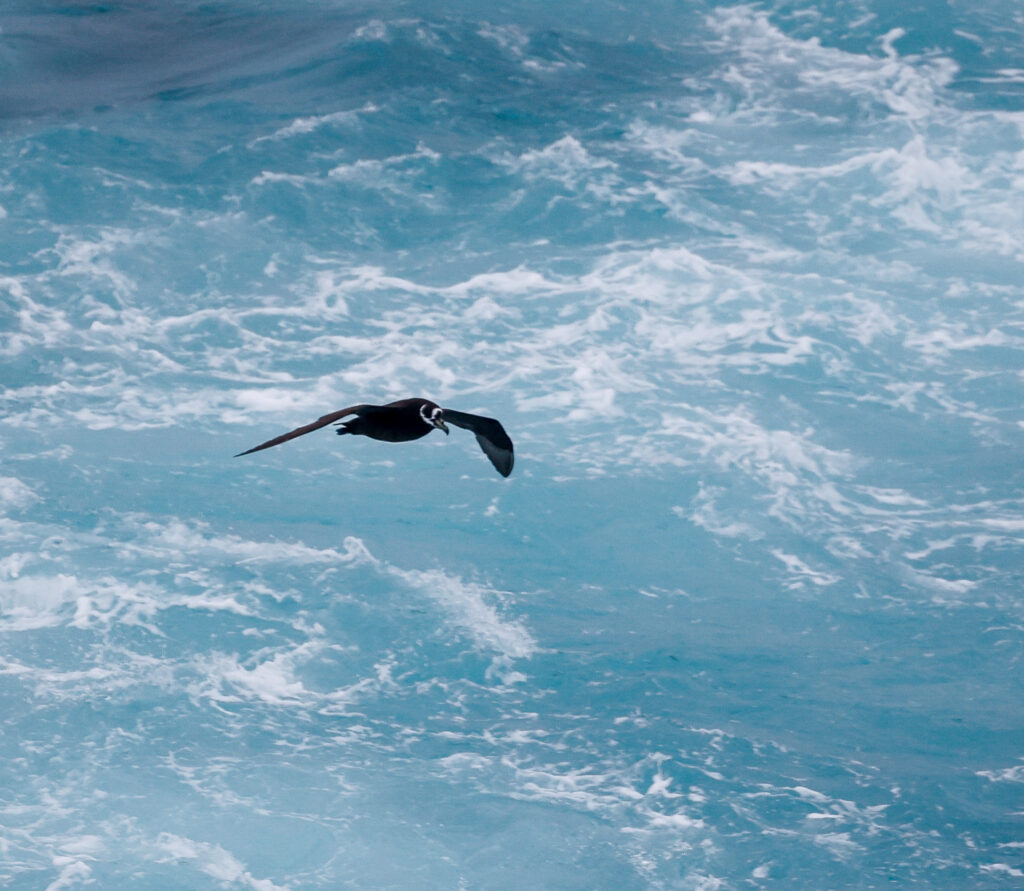
Spectacled Petrel Near Tristan Da Cunha
copyright © Judith Helsby 2026
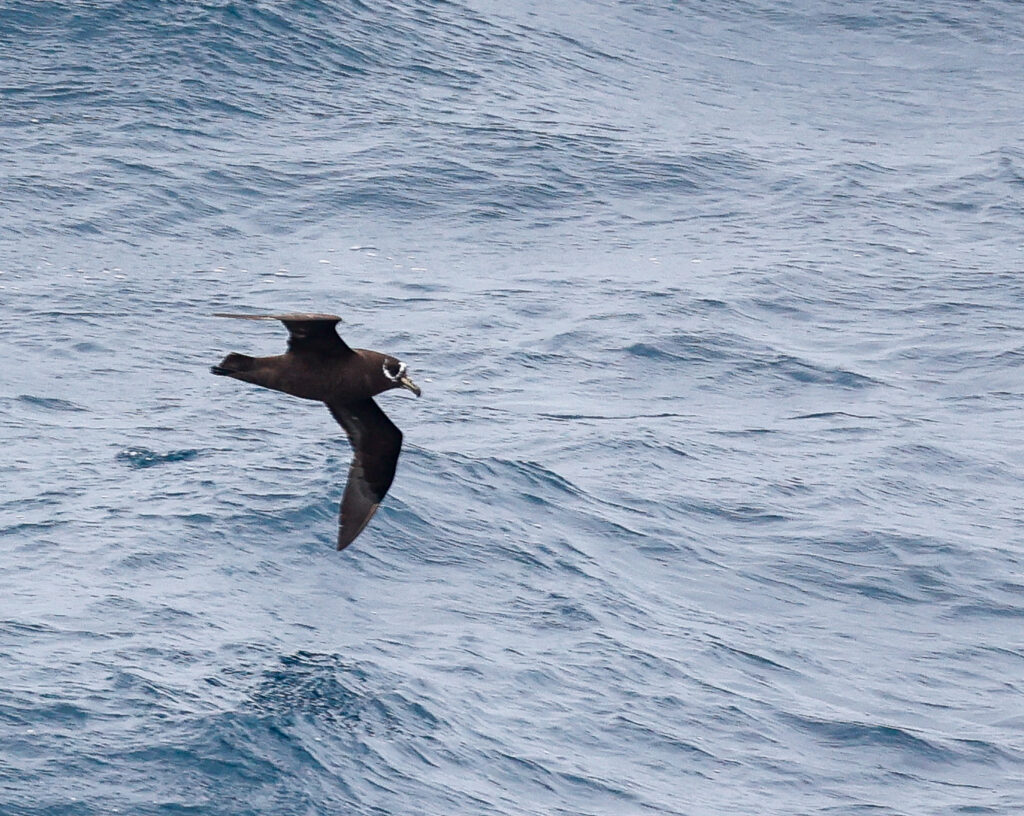
Spectacled Petrel Near Tristan Da Cunha
copyright © Judith Helsby 2026
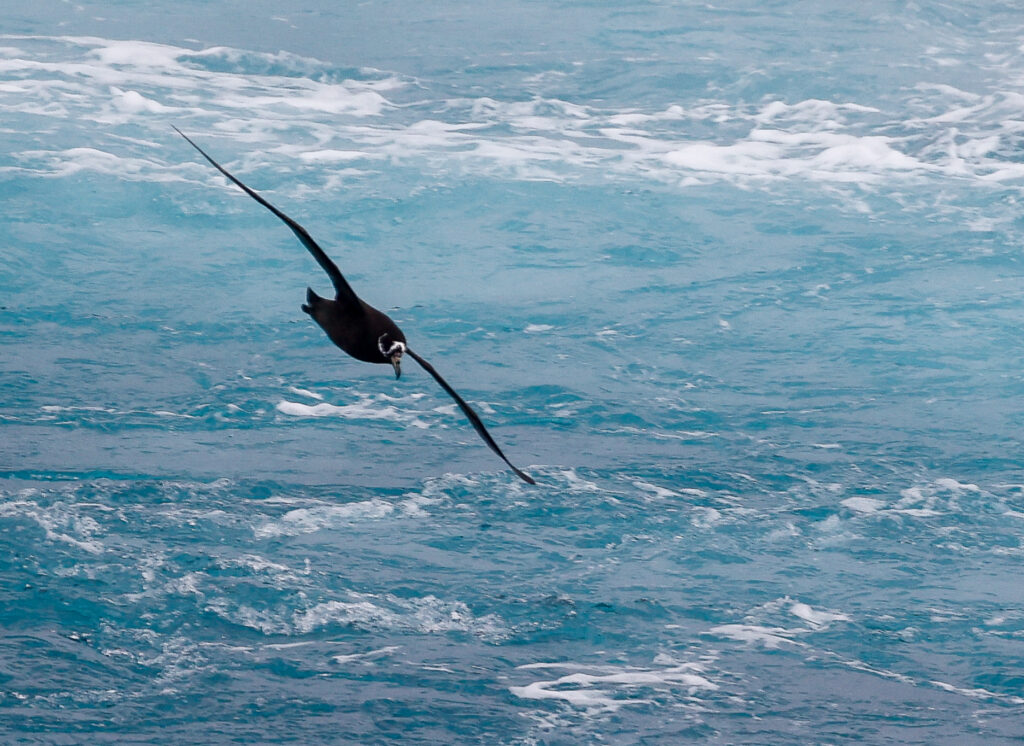
Spectacled Petrel Near Tristan Da Cunha
copyright © Judith Helsby 2026
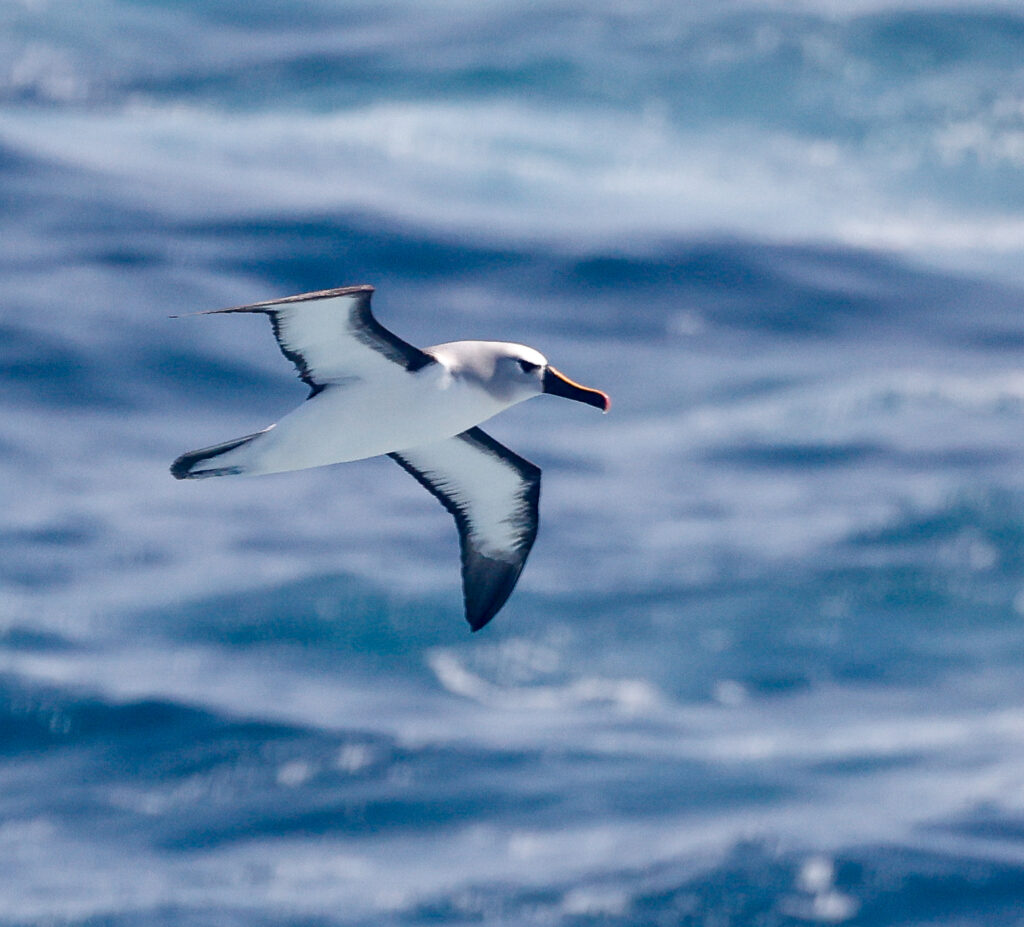
Atlantic Yellow-Nosed Albatross Tristan Da Cunha
copyright © Judith Helsby 2026
Atlantic Yellow-Nosed Albatross Tristan Da Cunha
copyright © Judith Helsby 2026
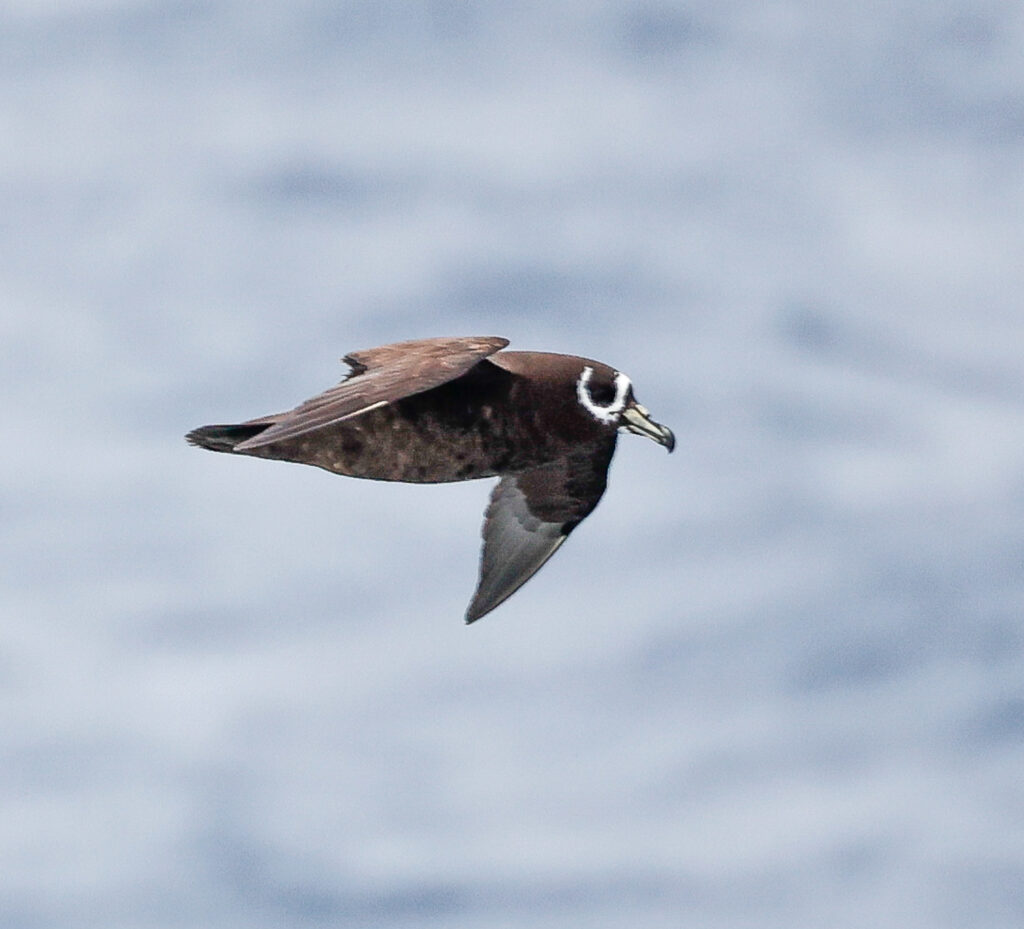
Spectacled Petrel Near Tristan Da Cunha
copyright © Judith Helsby 2026
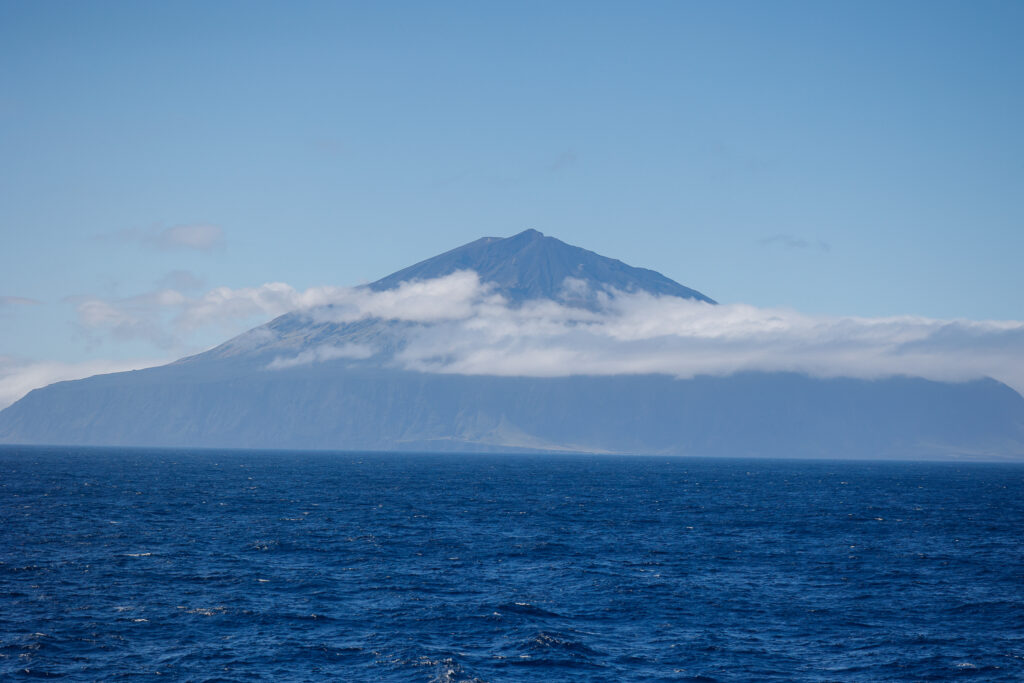
Tristan Da Cunha
copyright © Judith Helsby 2026
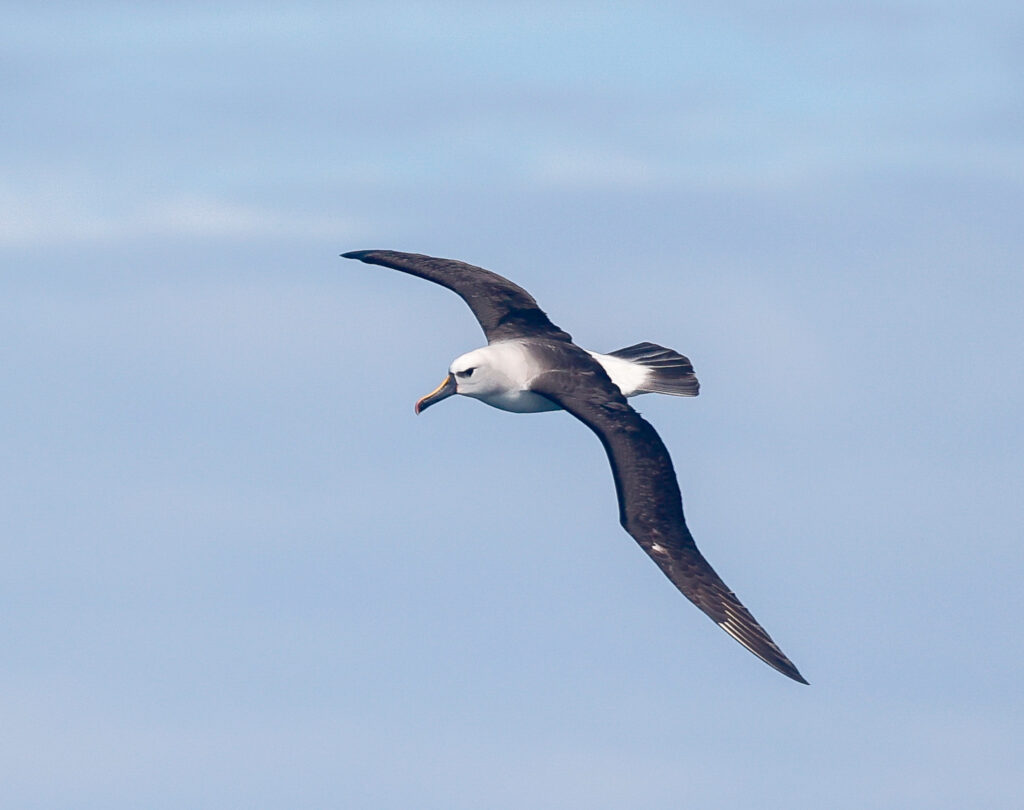
Atlantic Yellow-Nosed Albatross Tristan Da Cunha
copyright © Judith Helsby 2026
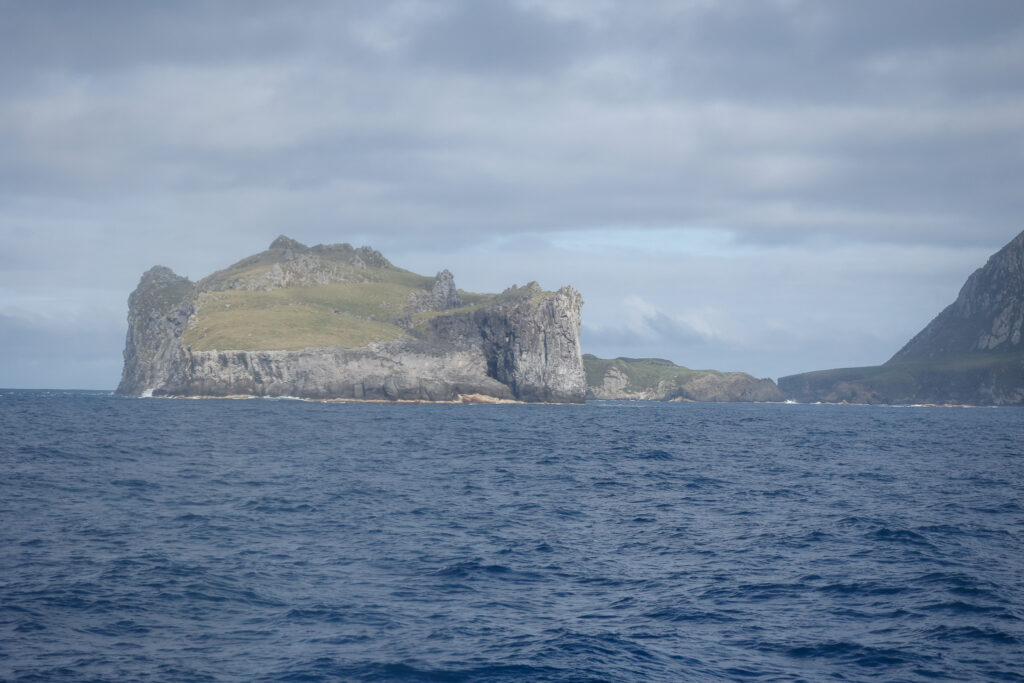
Nightingale Island
copyright © Judith Helsby 2026
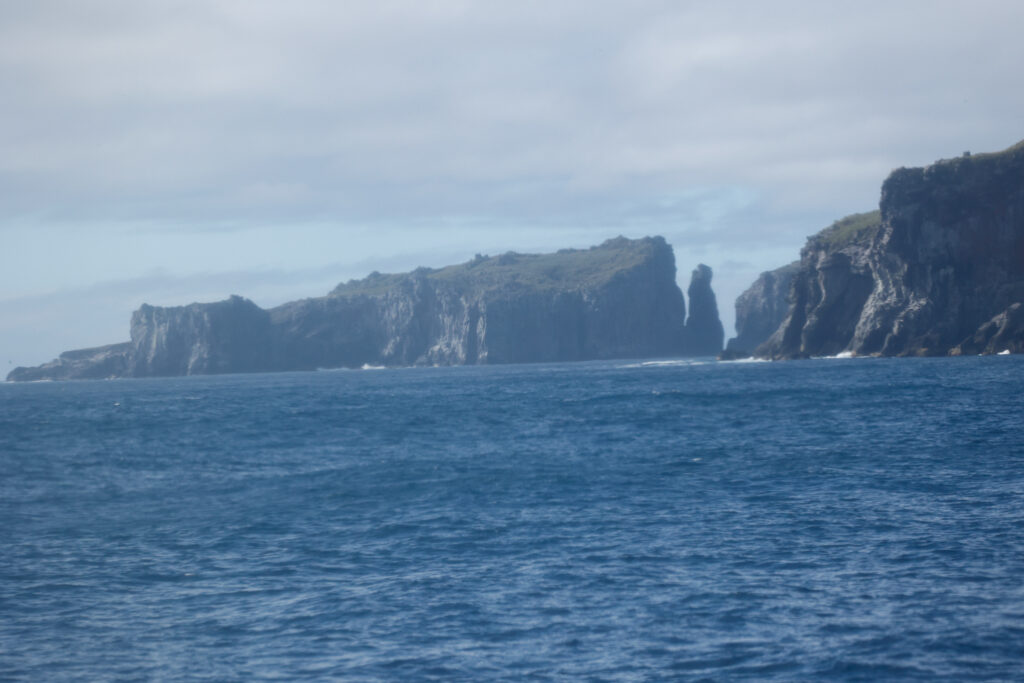
Nightingale Island
copyright © Judith Helsby 2026
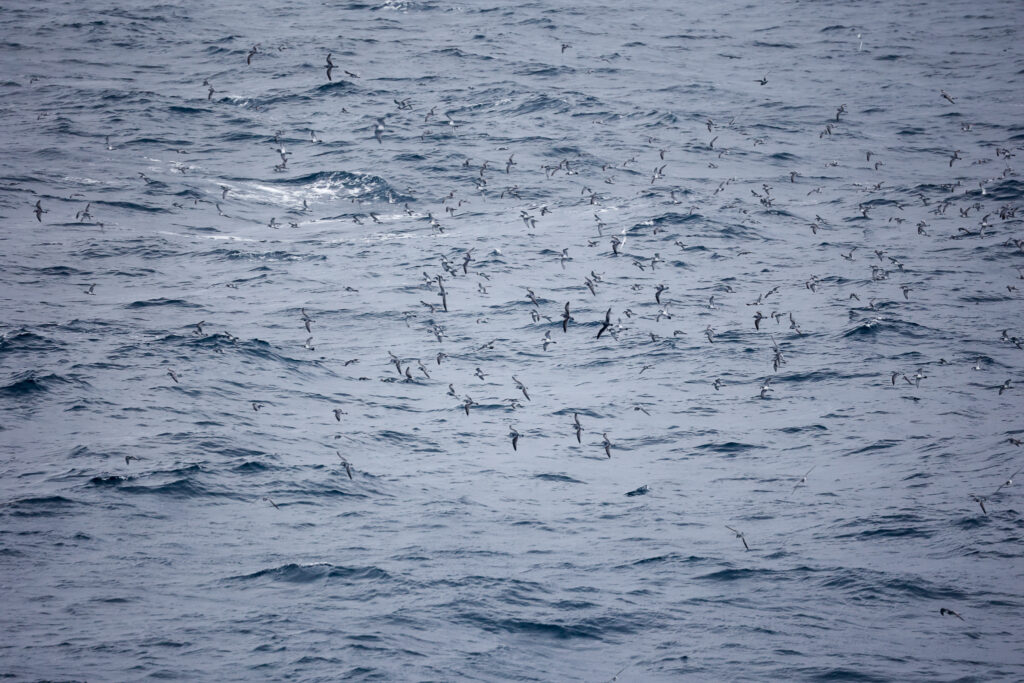
Mixed Seabird Flock off Inaccessible Island
copyright © Judith Helsby 2026
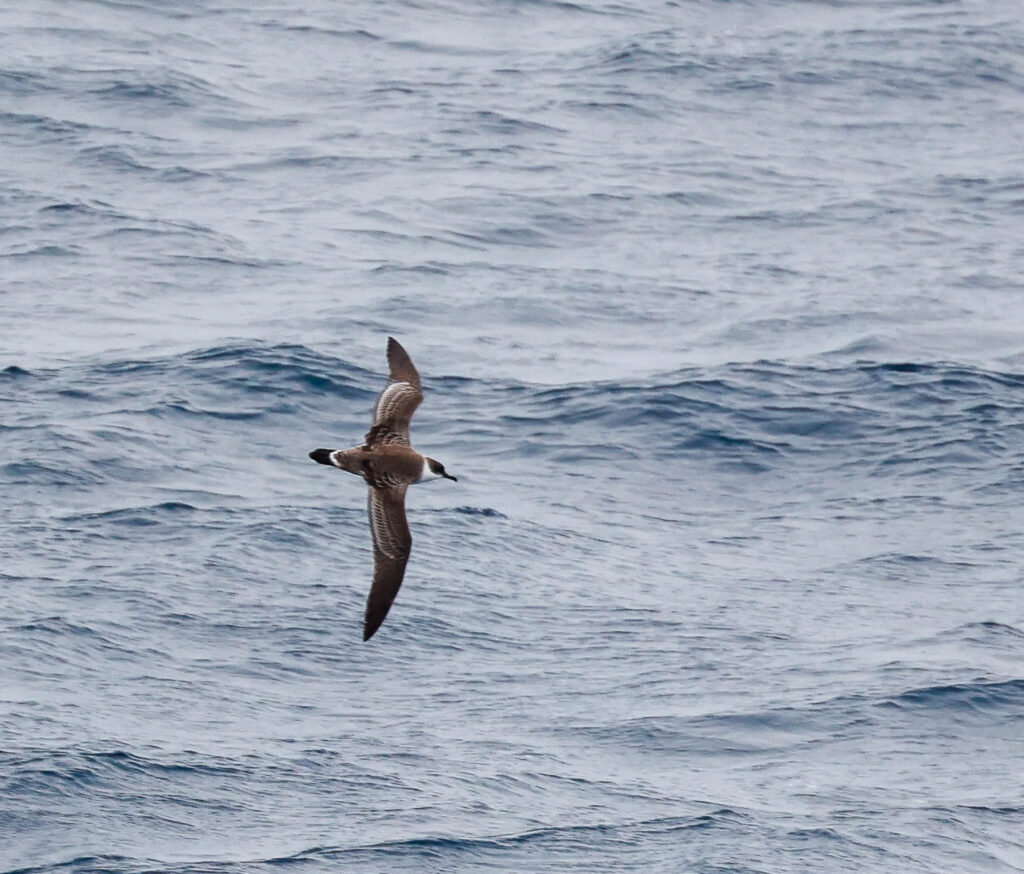
Great Shearwater Tristan Da Cunha
copyright © Judith Helsby 2026
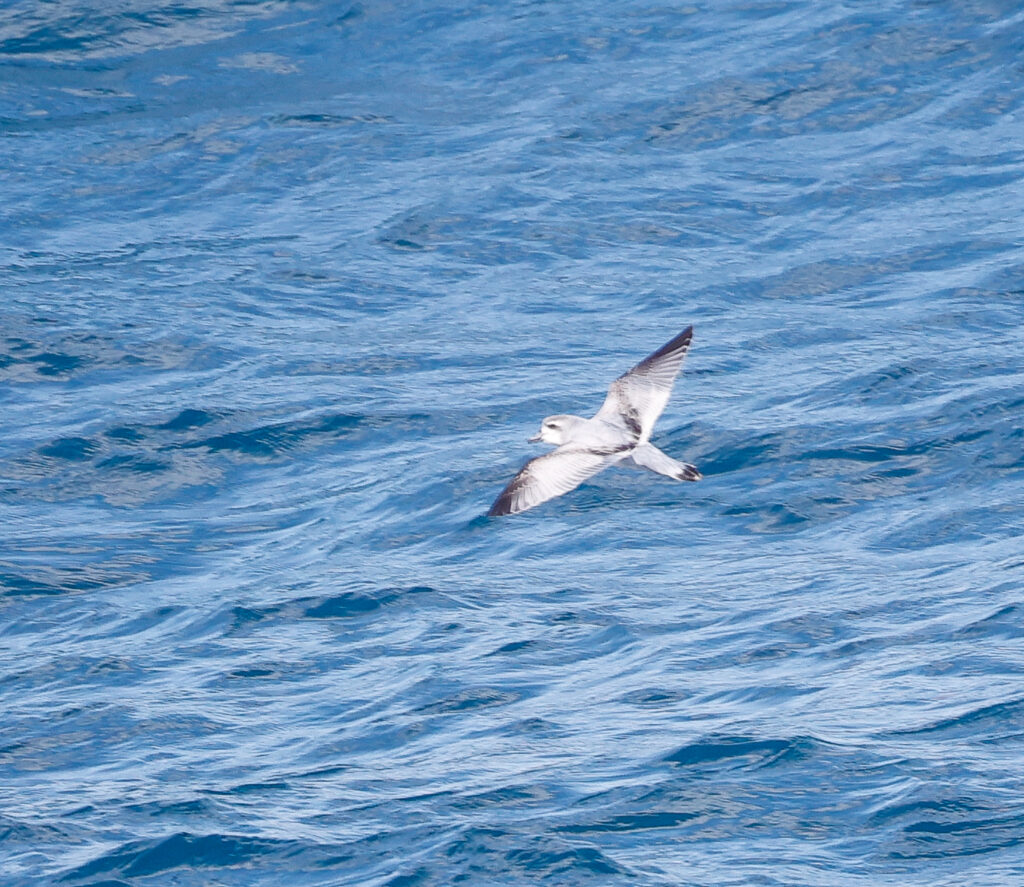
Thick Billed Prion
copyright © Judith Helsby 2026
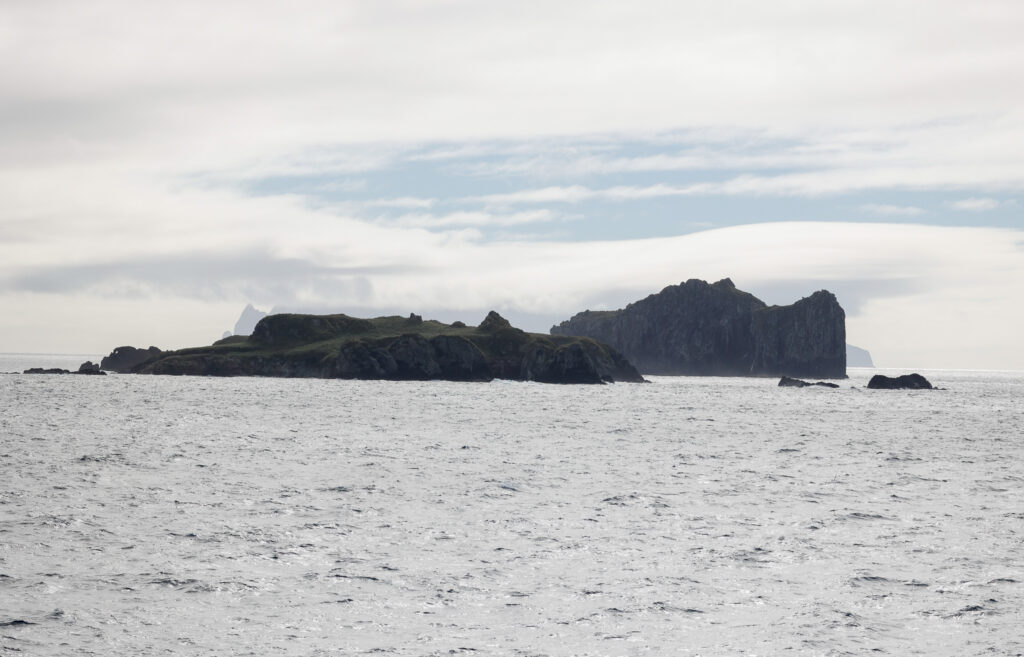
Inaccessible Island
copyright © Judith Helsby 2026
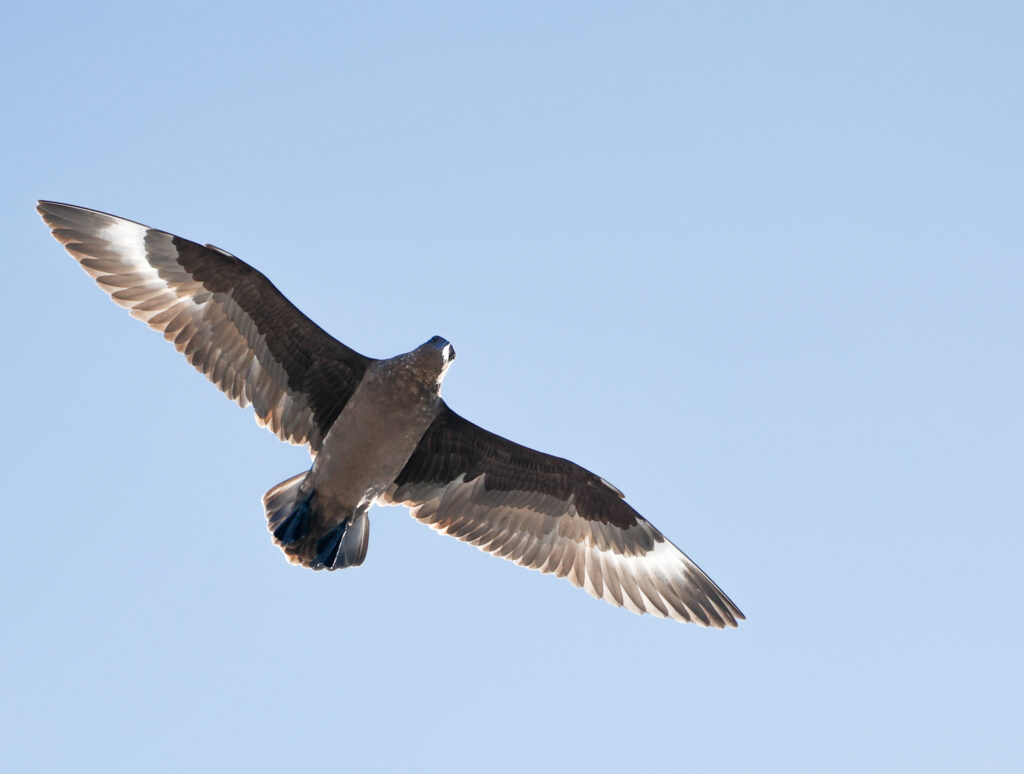
Brown Skua off Tristan Da Cunha
copyright © Judith Helsby 2026
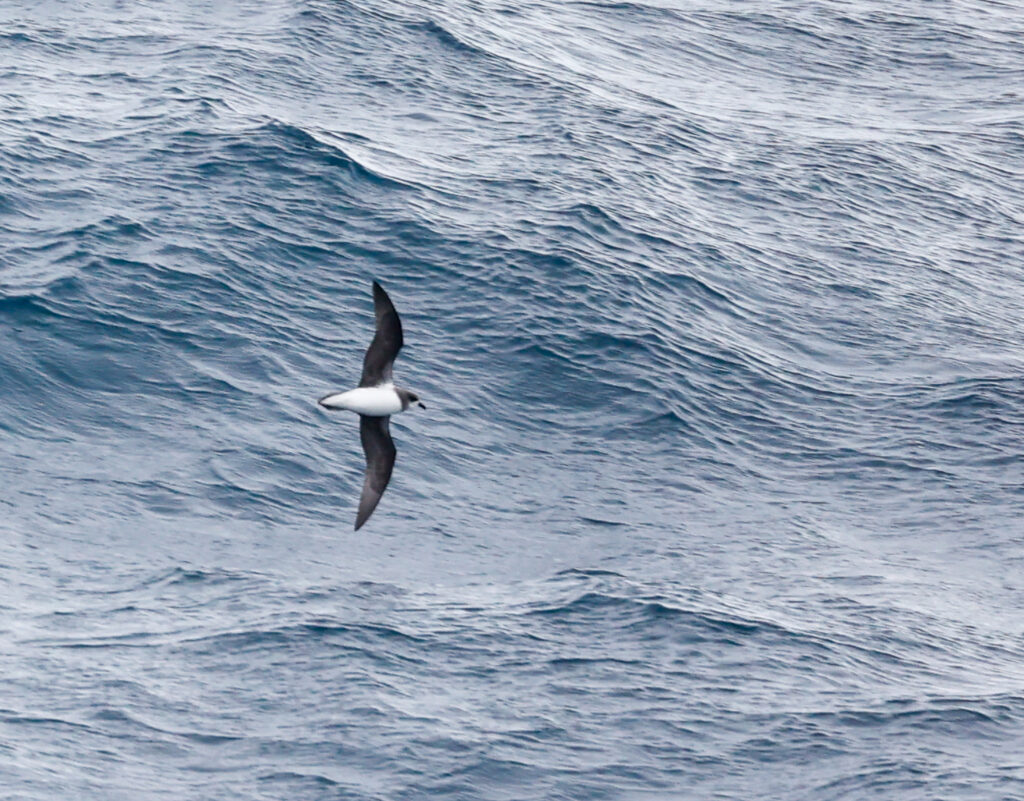
Soft Plumaged Petrel Off Tristan Da Cunha
copyright © Judith Helsby 2026
Very nice post. I just stumbled upon your weblog and wished to say that I have truly enjoyed
surfing around your blog posts. After all I will be subscribing to your rss feed
and I hope you write again soon!
I like the helpful info you provide in your articles.
I’ll boolkmark your blog and check again here regularly.
I am quite sure I’ll learn many new stuff right here!
Goood luck for the next!
https://www.mclvv.org/question/hvordan-oke-kontantgevinster-i-online-kasinoer-norsk-poker/?doing_wp_cron=1715513241.9453299045562744140625
https://www.lookali.de/community/profile/tosha1575099046/
https://sl-mexico.com/question/hvordan-vinne-penger-umiddelbart-spille-pa-nett/
https://www.mclvv.org/question/hvordan-oke-kontantgevinster-i-online-kasinoer-norsk-poker/?doing_wp_cron=1715374522.4651589393615722656250
https://www.lookali.de/community/profile/arnettevalenti/
https://www.mclvv.org/question/hvordan-oke-kontantgevinster-i-online-kasinoer-norsk-poker/?doing_wp_cron=1715524812.7212550640106201171875
https://www.joyasvalldor.com/self-improvement-success/spillemaskiner-pa-nettet-online-casino-norway/
https://sl-mexico.com/question/norske-automater-casino-casino-pa-nett-trondheim/
https://kashmirasitis.com/community/profile/ronnybivens2849/
https://www.mclvv.org/question/hvordan-oke-kontantgevinster-i-online-kasinoer-norsk-poker/?doing_wp_cron=1715486910.2827579975128173828125